Starting or growing a business often needs financial help. Business loans can provide the required capital, but they come with challenges. This article explains the emotional and psychological effects of business debt. You will learn strategies to manage financial stress better.
Understanding the Emotional Impact of Business Debt
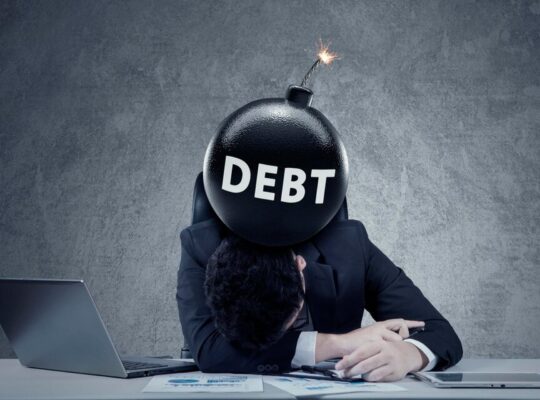
Taking on business loans can affect mental health in unexpected ways. Borrowed money brings financial pressure and emotional strain. Entrepreneurs often feel they must succeed because of their financial obligations.
Fear of failure is common among business owners in debt. Many people actually worry about loans and paying on time. Fears often cause you anxiety and interfere with choices. You feel stuck sometimes which makes clear thinking harder.
Debt often creates feelings of guilt. You might blame yourself for needing a loan in the first place. Many people focus on their mistakes rather than celebrating business achievements. These negative emotions kind of overshadow positive outcomes.
Pressure from creditors creates additional stress. Monthly loans basically feel like burdens that weigh heavily. Missed payments basically can cause panic and disturbed sleep. Fear and stress often spiral and basically make things worse.
Knowing emotions actually helps you understand debt’s impact on thoughts. Being aware of this actually helps to reduce emotional burdens. Handling feelings actually matters for keeping proper balance.
The Role of Stress in Financial Decision-Making
Debt stress affects actually how business choices are made. It limits the ability to think clearly. Entrepreneurs under stress tend to make hurried choices without analyzing options fully.
Financial worries lower confidence during decision-making processes. People second guess their abilities because debt creates doubt over small decisions. This hesitation often costs opportunities. Confidence, under stress, becomes hard to regain.
Stress clouds judgment and makes risks harder to understand. Someone might take unnecessary chances. Others might avoid beneficial opportunities because stress heightens fear of failure. The balance between risk and reward becomes unclear.
Chronic stress affects physical health. Fatigue from overworking or financial worries leads to exhaustion and poor focus. Emotional burnout follows that causes struggles with concentration. This weakens decision-making processes further.
Being stressed adds urgency to fixing challenges quickly. That urgency makes people accept short-term fixes over better long-term plans. Good plans help avoid debt and stay rational for business goals.
How Debt Influences Risk-Taking Behaviors
Debt either makes risks more attractive or completely terrifying. Financial pressure makes business people take impulsive steps. For example, they may invest blindly hoping for high returns.
- Pressure from debt can lead to desperate measures. It encourages trying luck instead of thoughtful strategies.
- Financial insecurity makes small opportunities seem attractive but prevents seeing larger possibilities.
- Some business owners overcorrect, playing safe, which limits potential growth. They avoid any risky but essential business decisions.
- Risk calculation becomes flawed because stress limits the ability to weigh pros and cons.
- Entrepreneurs sometimes trust unreliable financial advice hoping for quick solutions. This often worsens the situation rather than improving it.
Debt creates a psychological dilemma. You need to take specific risks to grow. However, financial obligations often confuse the need for calculated risks.
Balancing debts with risks actually helps to move ahead. Smart choices need focus and exact long plans basically. This approach secures both the business and personal well-being.
The Psychological Burden of Repayment Obligations
Loan payments cause really heavy mental stress on people. Loan deadlines basically remind entrepreneurs of their money problems. The constant awareness of debt can impact mental health severely.
A major problem is the fear of consequences. Missed loans lead to thoughts of bankruptcy and asset loss. These fears actually overwhelm small business owners sometimes. It makes them think about survival over growth often unnecessarily.
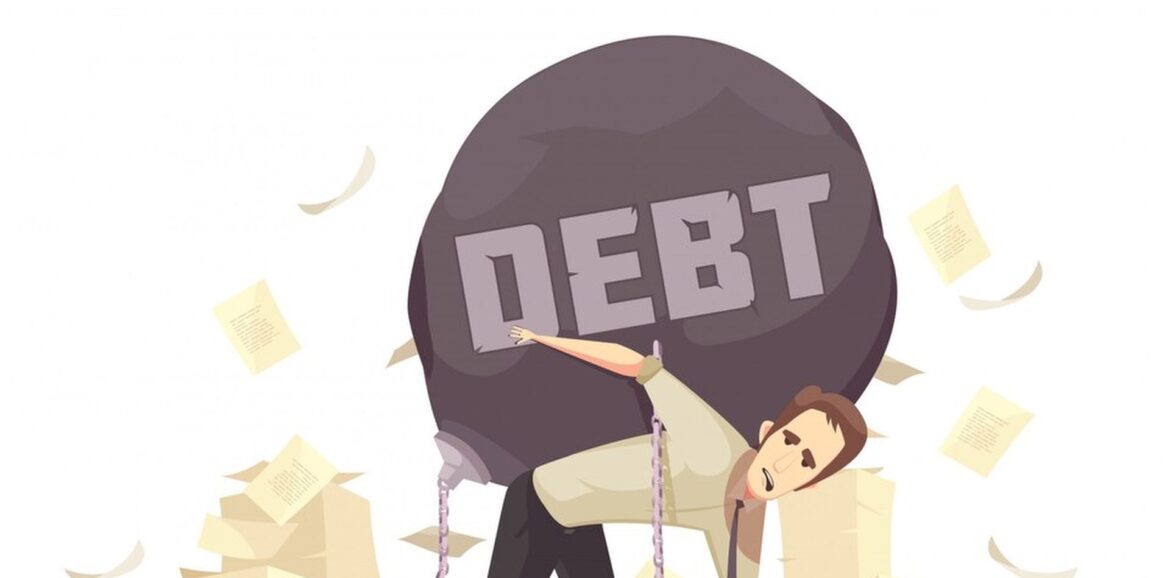
Another issue is the feeling of being trapped. When loans feel never-ending and interest increases stress, hope begins to fade. It creates emotional exhaustion for many entrepreneurs. You feel your hard work is only for debt repayment without other benefits.
Family and social relationships often suffer too. When repayment pressures grow, spending time with loved ones shrinks. Arguments over finances can increase emotional distance, harming mental well-being further.
Recognizing these feelings is very crucial. Reducing their intensity requires seeking emotional support and financial counseling. Stronger support networks allow people to discuss fears and solve repayment challenges together.
Strategies to Stay Rational While Managing Business Loans
It is hard but possible to manage loans without becoming overwhelmed. Developing clear strategies for emotional and financial discipline helps you remain calm.
- Create a workable financial plan. Writing down all expenses avoids guesswork. Sticking to plans improves control.
- Keep work and personal money separate actually to avoid issues. It lowers attachment and makes loans a bit less stressful.
- Take breaks often. Avoid focusing on financial stress 24/7 because it leads to burnout. Balance matters.
- Talk with experts well when unsure about key money things. Experts help by basically making custom schedules for repayments. External guidance relieves mental burdens.
- Talk openly about any existing issues well to get support. Speaking to peers or family really helps reduce stress weight.
Handling loans with proper strategies now ensures less anxiety in the future. Learning better methods improves day-to-day focus on your business.
The Long-Term Effects of Business Debt on Decision-Making
Loans create habits well that still impact decisions actually later. Business owners remember errors often connected to financial issues. Past memories sometimes really lead to worse or even better choices.
Having debt can make someone overly cautious later. They avoid new investments fearing they might face debts again. This fear blocks opportunities for innovative ideas. Bold decisions become nearly impossible.
Debt also teaches valuable lessons. Entrepreneurs become sharper. Past struggles sharpen their ability to analyze costs, project risks, and judge finances better. They avoid impulsive financial decisions.
Experience with debt often builds resilience. Many entrepreneurs come out stronger after repaying loans. It boosts emotional strength often surprisingly in people. They seem better prepared for tough tasks with confidence honestly.
Some develop bad unhealthy fears on loans honestly speaking. This fear may restrict expansion opportunities. A balance between care and confidence is really important. Choices must basically rely on data not overly emotions.
Past learnings really improve decisions when you reflect more. Using experiences wisely really creates better money habits often.
FAQs
How does business debt impact an entrepreneur’s mental health?
Debt brings fear, guilt and really massive stress often quickly. Such emotions basically make choices tough and overwhelming often. Business owners worry about loans which raise anxiety and reduce focus.
How can entrepreneurs avoid stress when managing loan repayments?
Planning loans reduces stress since it brings more clarity often. Smaller payments often actually reduce the overwhelming weight of loans. Getting support helps really manage loan payments often better.
What role does debt play in shaping business growth strategies?
Debt impacts how risks are calculated in growth strategies. Some avoid risks due to fear while others act impulsively. Managing debt wisely teaches better financial discipline if used constructively in planning.
Moving Forward
Loans are hard but really teach important money lessons often. Understanding debt’s impact makes handling money issues much easier. Daily thoughtful steps help improve finances and also your stress really. Think long term really and just trust in yourself often.