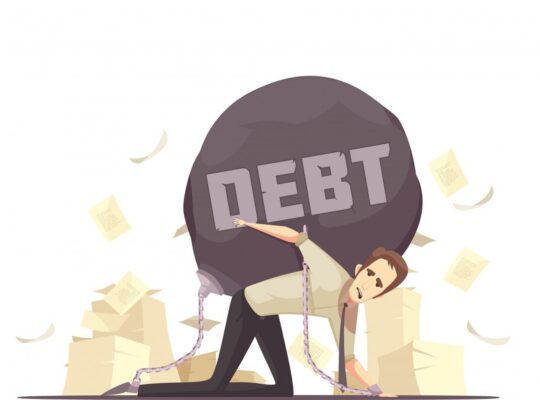
Starting and growing a business needs money, no doubt about that. Business loans often seem like the answer. But if not managed well, loans can turn into a trap. This article will explain how to avoid falling into debt by making better financial decisions.
Understanding the Basics of Business Loans
Loans basically give funds to begin or grow operations. Well you should know what you are signing for. Loans have rates, terms and conditions that affect the future finances. Understanding these is super important to avoid trouble later.
There are usually several types of loans. Well term loans give money to repay over a set time. Credit lines allow businesses to borrow up to their limit. Equipment loans actually buy costly tools or machinery. Each loan has uses so choosing wrongly is risky.
Interest rates can be tricky. Higher rates make repayments tougher over time, draining money from profits. Some lenders also add hidden fees. Small things like processing charges or penalties for early payments add costs unnoticed at first. Always read loan agreements carefully and ask for transparency.
Borrowing beyond business needs can create financial stress. The loan amount must fit your real requirements. Taking unnecessary funds increases pressure later. I think businesses should budget before applying for loans. Upgrade knowledge to make wise borrowing choices actually.
Borrow wisely and know what you agreed to basically. Learning loan types, terms, and risks protects your future. Making uninformed decisions can lead to big financial mistakes.
Signs You Might Be Falling Into a Loan Trap
Sometimes loans feel helpful at first but lead you into financial trouble later. Knowing warning signs early prevents worse situations. Identifying these red flags can save your business from falling apart.
Overborrowing is a major sign something is wrong. If loans completely cover everyday operating costs, trouble is brewing. Businesses should generate enough cash for basic expenses. Relying on loans to run daily functions means profits are too low.
Missing or delaying loan repayments indicates debt overload. Late payments hurt credit and create extra penalty fees. This snowballs into higher debt overall. Once this cycle begins, escaping becomes harder. It signals poor financial planning or declining revenue.
Another red flag is taking loans to repay existing loans. This borrowing cycle is very dangerous. It only postpones issues without solving them. Such actions often create dependency on debt, adding burden over time.
High-interest or predatory loans are risky too. These lenders trap businesses with tempting offers and hidden costs. Scams often target desperate businesses looking for quick cash. If loan payments grow more than business income, you need to stop and reevaluate.
Always watch financial data closely. Declining profit margins or sales revenues compared to loan amounts suggest imbalance. Do not ignore these signs. Stopping issues early avoids more problems later you know.
The Hidden Costs of Borrowing Money
Borrowing comes with visible costs like interest rates. However, hidden expenses often catch business owners off guard. Knowing all potential costs can help avoid regrets. Some costs might only appear much later.
Sometimes loans charge application or processing fees. These small sums add up and surprise borrowers at disbursement time. Legal or administrative paperwork can bring additional charges as well. Always remember, nothing comes free when borrowing.
Prepayment penalties occur if you repay loans early. Lenders impose these fees as compensation for lost interest profits. While repaying early seems smart, such penalties reduce financial flexibility. Reading terms avoids unexpected prepayment troubles.
Missed repayments lead to late fees. These accumulate quickly, creating added burdens to already stretched finances. Penalty charges also harm creditworthiness which limits future borrowing options. Basically, failure to repay costs far more than expected.
Debt also strains business operations indirectly. High repayment obligations divert funds meant to expand operations. Cash flow freezes when loans dominate budgets you know. Few resources cause inefficiencies and harm productivity.
Knowing all costs actually avoids long trouble. I think upfront costs help decide loan sense. Well protect profits keeping debt controlled.
Creating a Sustainable Financial Plan for Your Business
Building a business depends on good financial plans. Loans become bad without proper plans basically. Financial sustainability protects businesses from loan traps over time.
A good starting point is creating a realistic budget. Budgets help identify how much money businesses genuinely need. Add all expenses funds and repayment schedules. Keep budgets to avoid borrowing I think.
Tracking revenue regularly highlights trouble early. Monitor profitability closely to ensure your business generates enough to repay loans comfortably. Falling profits need solutions before repayment becomes too hard. Financial review supports better decisions actually.
Funds actually save in tough times. Many businesses borrow because savings cannot cover unexpected costs. Cash reserve lowers loan dependence basically. Reserves give negotiating power for loan terms.
Future growth planning helps loan management better. Project expenses against likely revenues. Anticipate challenges and build repayment plans that accommodate all scenarios. This approach minimizes stress while ensuring lender confidence.
Avoiding debt addiction matters equally. Borrowing should be your last resort rather than the first choice. Always explore revenue-boosting methods before choosing loans. Balancing profits versus obligations ensures long-term sustainability effectively.
Proper planning puts loans to productive use while protecting business health. Preventing overdependence on external funds secures stable growth paths ahead.
Alternatives to Traditional Business Loans
Not every funding solution involves taking business loans. Exploring non-traditional options sometimes yields better financial results. Here are alternatives you should know about.
- Angel investors provide capital in exchange for equity. They also offer business guidance.
- Crowdfunding allows several individuals to support businesses financially in exchange for rewards or shares.
- Business grants from governments or institutions provide funds without repayment obligations.
- Bartering services or products works well in small-scale exchanges where cash flow is limited.
- Supplier credit arrangements extend payment deadlines allowing businesses time to generate revenue.
Considering these alternatives reduces loan burdens. Borrow less for better money stability overall.
How to Effectively Manage Existing Business Debt
Debt management makes repayment less stressful actually. Late payments ruin finances even further. Applying proper strategies helps control and reduce debts faster.
First, maintain clear repayment schedules. Organize payments by importance such as highest-interest loans first. Focus clears big debts faster you know. Automate repay plans to prevent delays actually.
Well, tell lenders openly about payment struggles. Negotiating adjusted terms brings flexible repayment options. Early communication ensures long-term lender trust which helps later.
Consolidate your loans well if needed. Combining loans creates easier finance plans mostly. Consolidation often reduces interest burden alongside improving cash flow stability.
Fourth, trim unnecessary operational expenses. Cutting costs frees funds for debt repayment. Focus on essential functions that drive revenue directly instead of nonessential luxuries.
Fifth, boost revenues by finding quick growth opportunities. Growing sales volumes or increasing pricing helps raise funds naturally faster. Higher revenue minimizes repayment strain entirely.
Managing debts needs discipline and financial awareness completely. Prioritizing proper strategies creates stronger businesses long-term where loans never restrict decisions.
FAQs
How can a business owner determine if a loan is necessary?
Assess overall finances to check if existing resources cover needs. Loans should solve gaps, not create dependency. Prepare detailed budgets comparing current expenses and expected limits before deciding borrowing needs at all.
What are some alternatives to traditional business loans?
Try crowdfunding, which raises funds from individuals for equity or rewards. Seek government grants offering no-repayment funds. Supplier credit extends deadlines while keeping cash flexible for emergencies or operations stability long-term.
What strategies can help in managing and reducing business debt?
Focus payments on high-interest loans which strain finances first. Negotiate flexible repayment schedules with lenders willingly. Cut nonessential costs, simultaneously growing revenues through efficiency improvement across operations overall capacity gradually.
Your Next Steps
Debt does not have to dictate your business future. Approach borrowing carefully, knowing risks alongside responsibilities upfront. Plan finances sustainably by thinking long-term rather than taking shortcuts today. Avoid unnecessary loans where alternatives work better. Managing loans proactively builds stronger, debt-free businesses over time. Take positive steps toward financial freedom starting today!