Personal Loans vs Credit Cards: Which Is Better for Big Expenses? Handling big expenses actually confuses people. Picking loans or credit cards seems tricky often. This article will help compare the two options clearly. You know their differences and pick what works best. What Are Personal Loans and Credit Cards? Loans and credit cards are borrowing tools really. People use them for different expenses. But they work differently. A loan lets you borrow fixed money from the bank. You pay back this loan monthly over agreed time. Loans are used for planned expenses like weddings and emergencies. Credit cards are revolving credit lines I think. This means you can borrow a certain limit again and again if you repay it. Purchases are made using the card directly. You pay only the minimum due to keep using the card. However, credit card debt grows fast if not cleared monthly. Both options provide quick access to funds. Each kind has pros and cons huh. It depends mostly on how you plan to use it. Understand the basics before actually choosing, I think. Otherwise, you might choose something not really right. Key Differences Between Personal Loans and Credit Cards Both options let you borrow money. But they are very different in how they operate and cost. With a personal loan, you get a bulk payment upfront. This works well for big one-time expenses like a car or education fees. The entire loan term is fixed. Borrowers know exactly what they owe every month. It provides financial discipline. Credit cards are more flexible. You borrow small small amounts as needed. Pay fraction of balance monthly as minimum payment. Flexibility suits ongoing or unpredictable expenses like shopping. Interest rates differ basically a lot huh. Personal loans really have lower interest than credit cards. This makes them affordable for bigger items sometimes. But if repaid quickly, a credit card may cost less overall. Ultimately, personal loans are structured. Credit cards are for flexibility. You should match them to your financial habits. Like, some people are disciplined. Others prefer flexibility, you know. Interest Rates: How Do They Compare for Big Expenses? Interest rates make a huge difference in the total cost of borrowing. Understanding this saves money. Personal Loan Interest: These loans often have fixed rates. Fixed rates mean monthly payments stay the same. Rates actually range from 10 to 20 percent. However, good credit scores can help secure lower rates. It works well for big planned expenses. Credit Card Interest: Credit card interest is extremely high. It is charged monthly if balances are not paid in full. Rates usually fall between 30 percent to 40 percent. This makes them expensive for long-term borrowing. Some cards have zero-interest offers, but only temporarily. Personal loans are better for predictable expenses due to lower rates. Credit cards work for short-term purchases if repaid soon. So, for big expenses, pick wisely. Consider rates and repayment timelines too. You should balance cost and convenience thoughtfully. Repayment Terms: Flexibility or Discipline? Repayment terms are significantly different between loans and cards. This influences which option suits you. With personal loans, repayment involves fixed monthly installments. These payments start and end on set dates. Such fixed terms bring discipline. Borrowers know when their loan will be completed. The predictable schedule helps individuals budget better. Still, missed payments lead to penalties. Credit cards, though, offer flexible repayment. You may pay the full balance or only the minimum amount. But unpaid debt keeps growing with monthly interest. Flexibility can sometimes lead to a larger financial burden. Paying minimum dues without clearing balances traps people in endless cycles. If you prefer controlled repayments and predictable timelines, personal loans are helpful. If more freedom without obligations is needed, credit cards work better. Repayment habits matter most. Think about your spending and saving habits carefully before choosing. Financial discipline kind of prevents stress later. Fees and Charges: Are There Hidden Costs to Consider? While borrowing, people sometimes ignore fees attached. Hidden costs can add up fast. Let us explore how these options charge fees differently. Loan processing fees are common with personal loans. Banks usually charge two to three percent upfront. Prepayment penalties apply if loans are closed early. Not all lenders allow early repayments. Credit cards can have annual fees, which vary by card type. Premium cards cost more. Late payment charges apply for overdue card bills. Interest quickly adds up too. Foreign transaction fees arise when using cards internationally. These fees can be confusing for travelers. Both options have clear and hidden charges. Check terms closely. Read fine print before deciding. Knowing all costs helps avoid surprises later on. Impact on Credit Scores: Which Option Is Healthier? Borrowing impacts your credit score, no matter the option. How you manage loans or cards matters. Personal loan repayment boosts your credit scores huh. Lenders see timely repayment positively basically. But missed payments or defaults harm credit scores a lot. Repayment history is crucial for loan users. Credit card usage has faster impacts on credit ratings. Using too much available credit lowers scores. Keeping balances under thirty percent of limits improves ratings. Paying monthly completely also builds strong credit. Late payments and defaults drag scores down significantly. Making informed choices protects your creditworthiness. Whether loans or cards, think about how repayment fits your habits. Always monitor your score after borrowing. Choosing mostly wisely prevents struggles later. FAQs How do interest rates for personal loans and credit cards typically differ? Loan rates are lower than credit card rates actually. Loans have fixed rates and cards charge higher interest huh. What factors should you consider when deciding between these two options? Check rates repayment ability and your flexibility needs. Evaluate your credit score. Think about your goal and spending habits. How can you avoid common pitfalls when financing big expenses? Read loan agreements or card terms carefully. Avoid overspending and pay bills timely okay. Budget wisely for borrowing decisions safer huh. Key Takeaways Loans and credit cards serve various needs mostly. Loans suit big planned expenses. Credit cards work for smaller, flexible costs. Understand fees repayments and interest regularly. Choice depends on your discipline I think mostly. Always think financially smart before borrowing anything. Make informed decisions that fit you best! Aim for stability.
Personal Loans vs Credit Cards: Which Is Better for Big Expenses?

Handling big expenses actually confuses people. Picking loans or credit cards seems tricky often. This article will help compare the two options clearly. You know their differences and pick what works best.

What Are Personal Loans and Credit Cards?

Loans and credit cards are borrowing tools really. People use them for different expenses. But they work differently.

A loan lets you borrow fixed money from the bank. You pay back this loan monthly over agreed time. Loans are used for planned expenses like weddings and emergencies.

Credit cards are revolving credit lines I think. This means you can borrow a certain limit again and again if you repay it. Purchases are made using the card directly. You pay only the minimum due to keep using the card. However, credit card debt grows fast if not cleared monthly.

Both options provide quick access to funds. Each kind has pros and cons huh. It depends mostly on how you plan to use it. Understand the basics before actually choosing, I think. Otherwise, you might choose something not really right.

Key Differences Between Personal Loans and Credit Cards

Both options let you borrow money. But they are very different in how they operate and cost.

With a personal loan, you get a bulk payment upfront. This works well for big one-time expenses like a car or education fees. The entire loan term is fixed. Borrowers know exactly what they owe every month. It provides financial discipline.

Credit cards are more flexible. You borrow small small amounts as needed. Pay fraction of balance monthly as minimum payment. Flexibility suits ongoing or unpredictable expenses like shopping.

Interest rates differ basically a lot huh. Personal loans really have lower interest than credit cards. This makes them affordable for bigger items sometimes. But if repaid quickly, a credit card may cost less overall.

Ultimately, personal loans are structured. Credit cards are for flexibility. You should match them to your financial habits. Like, some people are disciplined. Others prefer flexibility, you know.

Interest Rates: How Do They Compare for Big Expenses?

Interest rates make a huge difference in the total cost of borrowing. Understanding this saves money.

  • Personal Loan Interest: These loans often have fixed rates. Fixed rates mean monthly payments stay the same. Rates actually range from 10 to 20 percent. However, good credit scores can help secure lower rates. It works well for big planned expenses.
  • Credit Card Interest: Credit card interest is extremely high. It is charged monthly if balances are not paid in full. Rates usually fall between 30 percent to 40 percent. This makes them expensive for long-term borrowing. Some cards have zero-interest offers, but only temporarily.

Personal loans are better for predictable expenses due to lower rates. Credit cards work for short-term purchases if repaid soon.

So, for big expenses, pick wisely. Consider rates and repayment timelines too. You should balance cost and convenience thoughtfully.

Repayment Terms: Flexibility or Discipline?

Repayment terms are significantly different between loans and cards. This influences which option suits you.

With personal loans, repayment involves fixed monthly installments. These payments start and end on set dates. Such fixed terms bring discipline. Borrowers know when their loan will be completed. The predictable schedule helps individuals budget better. Still, missed payments lead to penalties.

Credit cards, though, offer flexible repayment. You may pay the full balance or only the minimum amount. But unpaid debt keeps growing with monthly interest. Flexibility can sometimes lead to a larger financial burden. Paying minimum dues without clearing balances traps people in endless cycles.

If you prefer controlled repayments and predictable timelines, personal loans are helpful. If more freedom without obligations is needed, credit cards work better. Repayment habits matter most.

Think about your spending and saving habits carefully before choosing. Financial discipline kind of prevents stress later.

Fees and Charges: Are There Hidden Costs to Consider?

While borrowing, people sometimes ignore fees attached. Hidden costs can add up fast. Let us explore how these options charge fees differently.

  • Loan processing fees are common with personal loans. Banks usually charge two to three percent upfront.
  • Prepayment penalties apply if loans are closed early. Not all lenders allow early repayments.
  • Credit cards can have annual fees, which vary by card type. Premium cards cost more.
  • Late payment charges apply for overdue card bills. Interest quickly adds up too.
  • Foreign transaction fees arise when using cards internationally. These fees can be confusing for travelers.

Both options have clear and hidden charges. Check terms closely. Read fine print before deciding. Knowing all costs helps avoid surprises later on.

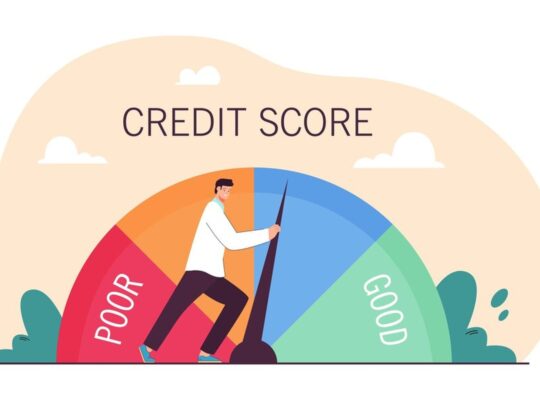
Impact on Credit Scores: Which Option Is Healthier?

Borrowing impacts your credit score, no matter the option. How you manage loans or cards matters.

Personal loan repayment boosts your credit scores huh. Lenders see timely repayment positively basically. But missed payments or defaults harm credit scores a lot. Repayment history is crucial for loan users.

Credit card usage has faster impacts on credit ratings. Using too much available credit lowers scores. Keeping balances under thirty percent of limits improves ratings. Paying monthly completely also builds strong credit. Late payments and defaults drag scores down significantly.

Making informed choices protects your creditworthiness. Whether loans or cards, think about how repayment fits your habits. Always monitor your score after borrowing. Choosing mostly wisely prevents struggles later.

FAQs

How do interest rates for personal loans and credit cards typically differ?  

Loan rates are lower than credit card rates actually. Loans have fixed rates and cards charge higher interest huh.

What factors should you consider when deciding between these two options?  

Check rates repayment ability and your flexibility needs. Evaluate your credit score. Think about your goal and spending habits.

How can you avoid common pitfalls when financing big expenses?  

Read loan agreements or card terms carefully. Avoid overspending and pay bills timely okay. Budget wisely for borrowing decisions safer huh.

Key Takeaways

Loans and credit cards serve various needs mostly. Loans suit big planned expenses. Credit cards work for smaller, flexible costs. Understand fees repayments and interest regularly. Choice depends on your discipline I think mostly. Always think financially smart before borrowing anything. Make informed decisions that fit you best! Aim for stability.