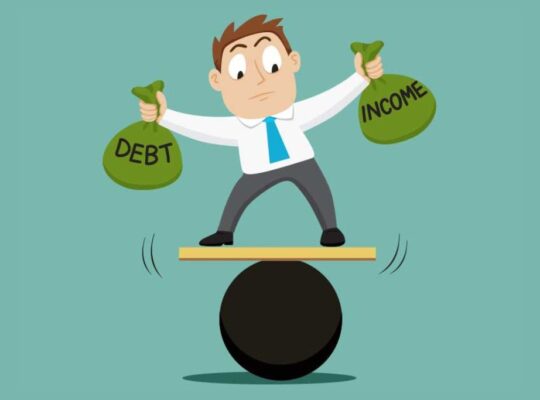
Choosing between fixed and floating interest rates can be confusing for many people, honestly. Both options have their own benefits and risks. This article will explain the differences between them and help you decide which suits you best. Understanding these concepts is important for your financial stability, I feel.
Understanding Fixed Interest Rates
A fixed interest rate means the interest does not change during a specific period. This kind of rate stays constant no matter what happens in the market. When you choose this option, your payments remain predictable, which is sort of easier for planning.
For example, if you take a home loan, a fixed rate means your monthly EMI remains the same. It does not matter if market rates increase later, you are safe from sudden hikes. But there is a flip side too, right? If market rates go down, you will still pay the higher fixed rate. So it is kind of a trade-off between safety and flexibility.
Fixed rates are best suited for people who prefer stability. If you are someone who has a tight budget, it is a reliable choice. Some people feel stressed with changing payments, so fixed rates bring some peace of mind that nothing will change unexpectedly. With fixed rates, you will know the exact cost of your loan from start to finish. This predictability makes financial planning easier, actually.
In simple words, with a fixed rate you trade flexibility for consistency. You basically pay the same rate without changes happening up or down. It is ideal for risk-averse borrowers wanting steady predictable payments regardless of economic changes.
What Are Floating Interest Rates?
A floating interest rate changes actually based on market conditions over time. These rates are tied to repos or LIBOR benchmark basically. When these benchmarks change, your loan rate also changes. Floating rates sort of follow what is happening in the financial market.
If you take a loan with a floating rate, your EMI can increase or decrease. For instance, if the benchmark rate goes up you suddenly pay more. On the other hand, if it goes down you save money. It is like a roller coaster but for your interest costs, honestly.
Borrowers who choose floating rates should feel comfortable with uncertainty. Some months you save money, some months you pay more than expected. Many people take this type of rate for long-term loans. Over time, it is possible that the ups and downs balance out.
Floating rates suit people who believe market rates will drop in the future. Potential savings attract people who actually do not mind some risk uncertainty. Unpredictability can make monthly budgeting a big challenge for some people. You need financial flexibility if you want to manage fluctuations well.
In short, floating rates offer the chance to save money if market interest goes down. But you face the risk of higher costs if rates rise later. This makes them ideal for people who can handle risks and rewards together.
Key Differences Between Fixed and Floating Rates
Fixed and floating rates really differ in how they work. Here are the main differences for better understanding:
- Fixed rates never change during the agreed period.
- Floating rates depend on market conditions and change regularly.
- Fixed rates provide stability and predictability.
- Floating rates offer the chance to save money if future rates drop.
- Fixed rates are best for risk-averse people.
- Floating rates suit people ready to handle fluctuating payments.
- Fixed rates remain unaffected by economic changes.
- Floating rates follow the major trends and benchmark movements.
- Fixed rates are easier for budget and financial planning.
Both choices actually have their own separate strengths. Picking either depends on your financial goals and comfort with risks.
Advantages of Choosing a Fixed Interest Rate
There are many benefits to choosing fixed rates, I feel. Here are the main ones:
- Payments stay consistent through your loan period. No surprises at all, basically.
- Fixed rates protect you from rising market rates. You do not face sudden cost jumps.
- They simplify financial planning, especially for long-term loans.
- Borrowers sleep better knowing their payment will never increase.
- Ideal for people with stable income and tight budgets.
With all these reasons, fixed rates are popular among many borrowers. They keep things predictable and safe.
Benefits of Opting for a Floating Interest Rate
Floating rates have some unique benefits for borrowers. These advantages make them appealing for certain situations.
- Borrowers can save money when market rates drop. This is the main reason to choose.
- Floating rates start lower than fixed ones actually giving instant savings.
- Floating rates may average out actually to be cheaper over time.
- They attract risk-takers willing to try for higher potential rewards.
- Borrowers get flexibility from floating rates if earnings are expected to grow.
The main benefit of floating rates is the possibility of lower overall interest costs. This basically depends totally on market changes, ups and downs.
Tips for Deciding Between Fixed and Floating Rates
Choosing between fixed and floating rates requires careful thinking, I mean. Here are some tips to really help you decide.
- Think about your finances now and your future situation more carefully.
- Check actually if you feel fine with changing monthly payments. Some manage well but some people cannot do it really.
- Check current trends actually and predict future interest basics carefully.
- Fixed rates fit short loans best since they give actual stability.
- Floating rates work better for long loans as fluctuations balance out.
Match your loan choice with personal comfort and payment ability always.
FAQs
What is the primary difference between fixed and floating interest rates?
Fixed rates actually never change during a loan period fully. Floating rates actually vary completely on market changes and trends.
Which type of interest rate is better for long-term financial planning?
Fixed rates are better when you want payments more predictable. Floating rates may save in the long term if rates drop.
Are fixed interest rates always more stable than floating rates?
Fixed rates stay stable forever since they basically never change. Floating rates are riskier but offer savings instantly.
Key Takeaways
Picking between fixed floating rates depends actually on your goals and risks. Fixed rates offer steady pay and are always predictable payments. Floating rates give you flexibility savings actually when markets fall basically. Evaluate wisely and pick what actually gives you peace always. Always basically choose what feels completely right to you!