Medical emergencies can come out of nowhere and totally disrupt your finances. You might feel stressed trying to pay high medical bills suddenly, right? This article explains how personal loans can help manage costs in such situations. Let us explore the details step-by-step.
Understanding the Financial Impact of Medical Emergencies
Emergencies drain savings fast, you know, savings drain. Hospital stays, treatments, and medications are shockingly expensive nowadays. Even short stays can cost a lot. Many people do not realize until they face the situation. It causes financial stress that feels overwhelming.
You might need quick funding if your insurance does not cover everything. Most insurance plans cover some things but leave huge gaps, you know. You could end up paying out of pocket for those gaps. And when you are already stressed about health issues, this financial burden can feel heavier.
Late payments bring penalties and stress like more stress. Clinics and hospitals add fees for late payments late. These fees make the already high bills even higher, you know. This is why rushing to figure out financial options becomes super important.
Personal loans become valuable here as they help you pay bills right away. They make medical payments less frustrating. You get immediate funds instead of juggling late fees or exhausting savings, right? This can ease financial worries during tough medical times.
Evaluating Your Financing Options During a Health Crisis
There are many ways to pay medical bills but not all options are ideal. You should weigh the benefits and drawbacks carefully, you know. Let us look at the most common options people choose during a financial pinch caused by medical emergencies.
Savings are the first thing many people use, especially for emergencies. But what happens if your bills are higher than your savings? This can leave you broke. You can lose all your safety net quickly if the costs are too much.
Credit cards might seem convenient for a fast payment method but they have high-interest rates. If you cannot repay the balance soon, the debt grows rapidly. This could be an expensive choice in the long run.
People borrow money from friends and family in tough times. Financial help from loved ones feels awkward, I think awkward. It also could affect relationships if repayment is delayed for too long.
Personal loans offer a real solution for emergencies. They give flexible amounts and terms for reliable loans. This helps you cover financial gaps without emotional or excessive financial stress. Knowing this helps you choose practical solutions, no?
What Are Personal Loans and How Do They Work?
Personal loans are borrowed funds for specific needs like medical emergencies. They are unsecured loans and require no collateral, you know. Lenders give you money upfront which you then repay in monthly installments over a fixed term.
- The loan amount depends on your income and credit score kind of. The higher your capacity, the more you can borrow.
- Interest rates are agreed upon when you take a loan. Rates mostly depend on your credit history.
- Repayment terms can vary and last between one and seven years based on what you agree on.
- You use the funds for hospital visits, surgeries, medication, or any health-related needs. It does not matter how you allocate them basically.
- Loan disbursal is often fast so if approved, you receive funds immediately, you know, within days.
These loans allow you flexibility and breathing room during a financial crunch. The key is reviewing terms carefully so you can make it manageable without stress. You know this is super important for staying within your budget.
Personal loans work because they simplify urgent financial needs into predictable budgets. This is especially helpful in uncertain medical times. Choose wisely to avoid unnecessary traps or complications.
Benefits of Using Personal Loans for Emergency Medical Bills
Using personal loans during a health crisis does have advantages, you know. Immediate access to cash is probably the biggest benefit, no? Let us discuss why this can be a lifesaver during tough situations.
Personal loans allow you to pay bills all at once. Hospitals and doctors appreciate timely payments which can reduce stress about deadlines. Also, no late fees mean you can focus on the medical recovery part stress-free.
You decide how to use the money, you know. Pay surgery fees, buy medicine, cover transport it is your choice. This flexibility is not always available with other methods like insurance.
Repayment terms are spread out making monthly payments smaller and easier to handle financially. Other options like credit cards often pile up quickly compared to personal loan repayments.
Interest rates are manageable compared to credit card rates, as cards tend to charge higher percentages. Every penny saved matters when dealing with other health-related expenses too.
Lastly, personal loans actually improve financial discipline. They encourage borrowers to plan payments regularly rather than pay bits randomly. This structure is a relief during unpredictable financial strain that emergencies bring.
Steps to Apply for a Personal Loan During a Health Crisis
Loan application feels overwhelming but is actually straightforward during emergencies. Follow steps to make it smoother actually smoother.
- Research lenders well, you know. Compare rates terms reviews for best options.
- Prepare documents early to quicken approval process time. Income proof, ID proof, and bank statements help.
- Apply online or offline depending on what feels comfortable for you. Nowadays online applications are simpler and faster.
- Review the loan terms before signing anything because repayment terms, interest or fees must suit you.
- Once approved, funds arrive directly into your bank account. You can start using them for medical costs immediately.
These steps mean less delay and fewer mistakes for health problems. Expecting issues helps you perform better under pressure.
Qualifying for a Personal Loan: Key Factors to Know
Not everyone qualifies for personal loans, you know. Understanding approval factors improves your chances while avoiding common issues people face. Lenders check key areas closely before approving.
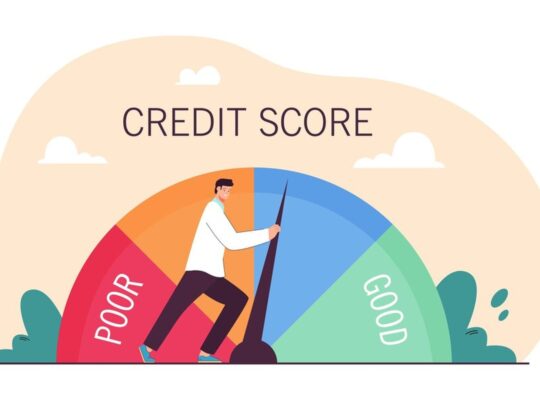
- A good credit score boosts chances better. Aim for 700 or higher when possible but exceptions exist.
- Your income stability matters to lenders too, basically proving you can repay easily without issues.
- Some lenders may even ask about employment history to predict continuous repayment ability.
- Loan-to-income ratios must balance well. Amounts borrowed versus current income should not feel risky overall.
- Well-organized documents are necessary too. Missing papers delay the entire process unnecessarily so stay prepared upfront.
Focus on these aspects when applying during stressful times. Knowing priorities increases approval chances.
FAQs
What situations warrant the use of personal loans for medical bills?
Personal loans are useful when savings are low or insurance does not cover medical treatments. Sudden emergencies need quick funds from loans, sometimes only.
How do you compare interest rates and terms for personal loans?
Find lenders with clear fees, costs and plans. Check APR and repayment flexibility well flexibility. Comparing offers ensures you choose fair terms.
What documents do you typically need to apply for a personal loan?
Prepare ID bank statements and slips early bank slips. Prepare early for faster approvals faster approval in emergencies.
Your Next Steps
Handling medical emergencies is tough emotionally actually. Worrying about finances while dealing with health issues adds extra pain, you know. Personal loans help lessen stress if chosen and used wisely. Start researching lenders today for better emergency preparedness tomorrow. Making informed choices now saves trouble later.