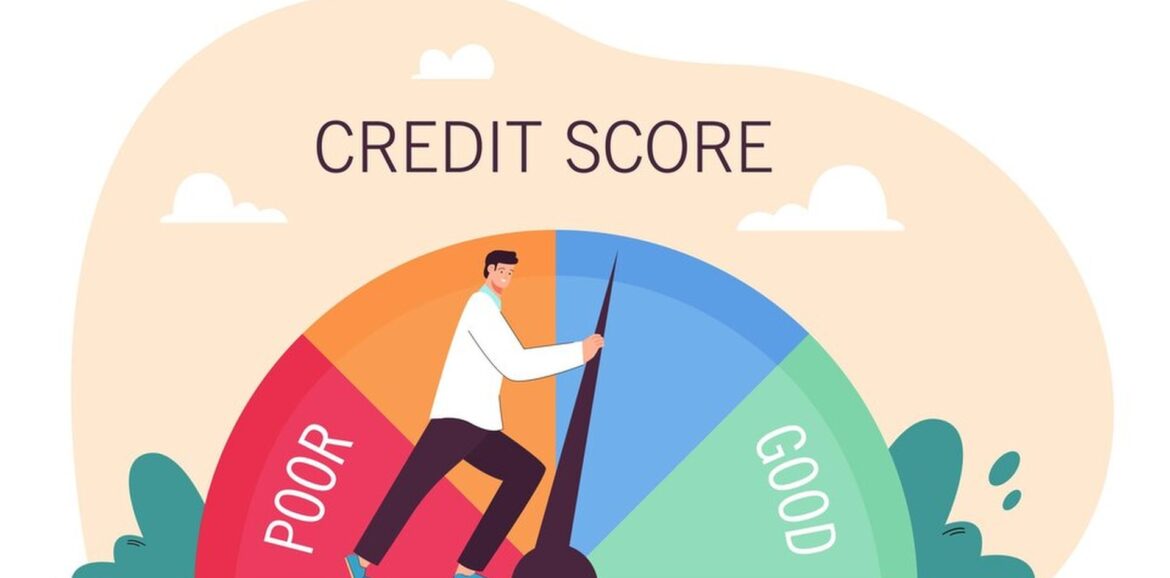
Improving credit score seems hard but it is not really so. A personal loan could actually help if used properly. In this article, we will explain how credit scores work and how personal loans affect them. You will also learn tips to manage loans better.
Understanding How Credit Scores Work
Your credit score shows lenders how reliable you are with money. It is kind of like a report card for your finances. In India, many people know credit scores affect their loan approval chances. But they often do not know how it works in detail.
A credit score is calculated using many factors together. Payment history has the biggest role. If you miss EMI payments, your score gets affected badly. The amount you owe also matters. If you keep borrowing too much and reach your limits, it hurts the score too.
Next, the length of your credit history plays a role. If you have been managing credit for many years, it works positively. Different types of credit accounts improve scores as well, like having some credit cards and loans both. Actually, credit report inquiries may lower your score temporarily.
All these factors actually work together to make your score. All are important but payment history actually has most weight. Paying late lowers score so always pay on time anytime really.
What is a Personal Loan and How Does it Function?
A personal loan is borrowed money from a bank for anything. Personal loans are not connected to specific items like car loans. Money can be used for anything which is helpful in emergencies.
When you take a personal loan, you agree to repay the principle and interest in EMIs. The loan term can vary, usually between one to five years depending on what you selected. Interest rates are based on your credit score, income, and loan amount requested.
Once approved for loan funds will go into your account easily. Actually missed payments bring penalties that hurt your credit badly really. A better credit score makes taking future loans actually much easier.
People take personal loans for weddings, emergencies or debt consolidation. Loan flexibility makes life simpler when you really need cash quickly. Interest rates are higher in personal loans than secured loans actually. So you should think carefully before borrowing unless it is necessary.
The Relationship Between Debt and Credit Scores
Debt always has an impact really on your score actually in some way. Debt impacts your score positively or negatively based on handling it. Too much debt is bad for financial and your credit health actually.
Borrowing money increases your debt size actually over time. Your credit limit goes down and lenders see you riskier quickly. If you borrow responsibly, timely repayment improves credit score over time. Debt payoff shows reliability and actually reduces the balances owed.
A key thing to note is that credit utilization ratio matters. It compares the amount owed with available credit repetitively for clarity. Keeping a ratio below 30 percent is ideal for a good credit score. Staying as low as possible avoids risk actually generally speaking.
New debt also generates a hard inquiry on your credit report. This drops the score slightly but it actually does not last long. Loan management over time outweighs the initial score dip actually. Debt can improve or harm credit score depending on financial behavior.
How Timely Loan Payments Can Boost Your Credit
Timely payments actually improve credit scores and are majorly important. They show lenders you are trustworthy and actually quite disciplined. Actually missing even one payment damages your credit health badly.
Timely monthly loan payments steadily increase your credit score gradually. It tells credit bureaus you manage debts responsibly honoring agreements.
Timely payments are like basically building strong financial habits overall. Consistency improves your credit reputation actually quite effectively really. Basically, some people’s scores improve after a few months of regular payments.
You should actually stay aware about the total repayment schedule. Delays and partial payments add penalties and fees recklessly actually. These issues grow into larger problems later actually. Prioritize EMI reminders and maintain balance to avoid missed payments.
Enabling auto-debit helps avoid missed payments. Fewer debts and regular payments lessen financial stress gradually over time.
Debt-to-Income Ratio: Does it Matter for Credit Scores?
Lenders use debt-to-income ratio as a basic kind of calculation. Monthly debt payments are compared with income in this ratio really. This ratio affects borrowing ability but not your credit score really.
High debt payments compared to income show you are actually burdened. Reduced approval chances occur with loans under high debt ratios really. High debt leads lenders to assume you cannot manage additional obligations.
The low debt-to-income ratio honestly makes a better impression overall really. Lenders see you financially solid and likely to repay loans easily. Reduce extra loans and consolidate debts to keep the ratio low overall.
Some people misunderstand and assume only credit card debts matter here. Personal loans, car loans and mortgages are always included generally actually. Lower ratio maintenance indirectly supports and helps credit score a lot. Being lower ratio ready helps you face unexpected needs better really.
Tips for Managing Personal Loans Effectively
Managing loans properly ensures discipline and credit health improves over time. Key tips reduce stress and make loan management actually more useful.
- Always actually check your credit score before applying for loans.
- Borrow only what you actually need and repay properly.
- Keep repayment tenure short actually for better financial handling.
- Use auto-debit for timely EMI payments every month.
- Do not borrow new loans until fully paying off
existing ones.
Managing personal loans wisely prevents unnecessary debt traps. Planning repayment helps improve your loan score positively.
FAQs
How does taking a personal loan affect my credit score initially?
Taking out any new personal loan lowers your score for a short while. This is caused by a hard inquiry. But as repayments are made consistently over six months or more, it shows responsibility. Your score begins to recover and eventually improves.
What happens if I miss payments on a personal loan?
One missed payment impacts your credit score actually almost instantly. It also adds late fees, increasing loan costs. Missed payments cause default that lowers score, seriously leading risks.
How long does it take for a personal loan to impact my credit score?
Personal loan effects on score start almost immediately after taking. Late payments damage the score quickly. Consistent repayment across six to twelve months develops a positive history that improves your score effectively.
Your Next Steps
Score improvement does not basically happen overnight really. Personal loans are effective tools only when used wisely actually. Follow healthy habits like timely payments and borrowing really within limits. Correct management improves score giving better financial opportunities easily actually.