The housing market is a hot topic again. Many buyers wonder if rates will drop in 2025. This guide explains current trends, expert predictions, and what factors impact rates. You will have a better understanding of mortgage decisions by the end.
Understanding Current Mortgage Rate Trends
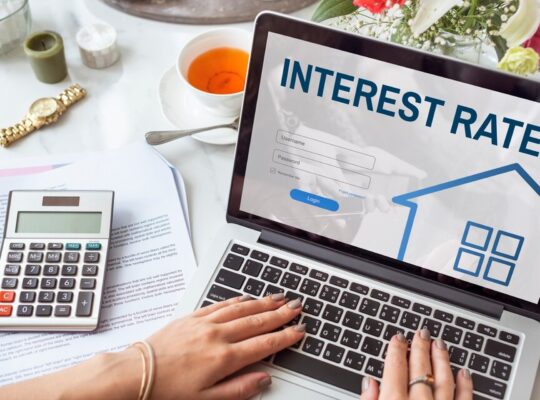
Rates saw ups and downs in past years honestly. They impacted buyers and actually affordability alike. Rates spiked after many years at record lows. That made monthly payments harder to deal with for most people.
Lenders raised rates during economic recovery from the pandemic. Rising inflation also played a role in this sudden hike. Borrowers faced challenges even with decent credit ratings and money saved. House prices stayed high too, adding extra pressure.
Some experts hoped for stability soon, but uncertainty remains. Trends during 2023 2024 might guide what happens in 2025. It depends on job growth, inflation control and some events. Nobody is truly sure what exact trends will occur.
For now though, buyers need to research and plan carefully. Decisions around locking interest rates require great timing. Staying informed about market adjustments is critical, you know. It could help avoid borrower setbacks later basically.
Key Economic Factors Influencing Mortgage Rates in 2025
Understanding what determines rates can clarify trends. Some factors matter more than others. Keeping an eye on them is useful. These economic variables strongly influence mortgage rates over time.
Firstly, inflation is always a powerful force. Higher inflation means higher rates, and vice versa typically. When goods and services get expensive, rates usually increase alongside them. Controlling inflation can stabilize or lower borrowing costs.
Then there is the national unemployment rate. Job losses indicate weaker economies which might force rates down temporarily. However, strong employment might increase wages leading to inflation struggles. It depends how these dynamics play out together.
International markets often matter. Trade issues, oil costs and tensions might cause ripple effects. They change borrowing costs for banks and actually governments. Borrowers may face higher lending costs suddenly.
Consumer spending influences lending significantly too. If people spend less, borrowing demand slows, and rates lower generally. When consumers confidently spend big, lenders might raise rates faster. These trends interact closely within financial systems.
Expert Predictions for 2025 Mortgage Rates
Experts differ in opinions about the future I think. Honestly, nobody knows what will happen next. But general trends and data suggest possibilities worth considering. So here are some widely discussed projections in simple terms.
- Some experts predict slight drops in rates around mid-2025. They believe inflation reduction could help with progress.
- Others feel rates may remain stubbornly higher, especially if inflation control fails or slows severely.
- A few say global market shifts might impact the outlook unexpectedly by causing unforeseen adjustments.
- Many think the housing market balance will stay tight. Prices staying high could influence whether rates loosen.
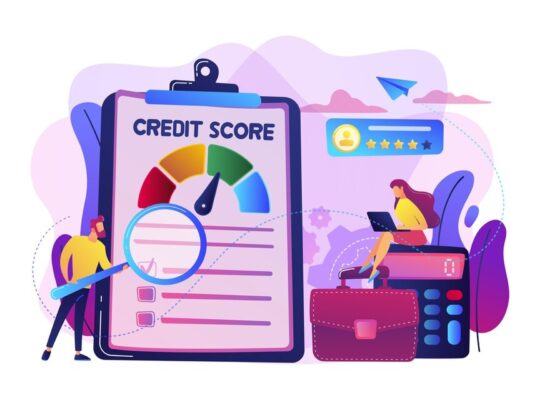
- Borrower credit scores and debt loads may dictate who benefits most from any rate changes coming.
These are educated guesses only. Buyers must remember mortgage rates are difficult to forecast accurately. Planning carefully is always the best financial strategy overall. Keep risks kind of balanced before big decisions.
How Mortgage Rates Impact Home Affordability
Many people struggle to afford homes due to high rates combined with costly housing. The two elements often act together, you know. This section helps break it down for better clarity.
High interest means costly monthly payments for most borrowers. Even small rate differences change housing budget realities significantly. So affordability drops when combined with rising costs.
For instance, a thirty-year loan with six percent instead of a four percent rate adds thousands yearly. Homebuyers need larger incomes to qualify for similar home values. This causes delays in purchasing decisions many times.
Some families choose smaller homes or move farther from jobs to save money. Location change sacrifices, however, add commute and quality-of-life concerns later. Trade-offs complicate housing plans further, I mean.
Refinancing options become tricky too while rates stay high. Owners wanting better rates sometimes wait for years unsuccessfully. Locked loans discourage easy rate adjustments or move-ups in property.
Mortgage rates and affordability are actually deeply connected. Paying close attention helps buyers measure realistic housing goals better every time.
Should You Lock In a Mortgage Rate Now or Wait?
Locking rates depend on personal factors and actually some markets. Timing matters greatly while choosing mortgage plans wisely. This section explains whether waiting or acting now makes sense for you.
- Locking rates guarantee stability. It saves you from sudden rate hikes caused by market surprises.
- If you like today’s deals, locking avoids risks tied to future upward adjustments, many experts say.
- But locking also means losing flexibility if future rates drop. You cannot refinance easily most times.
- Waiting leaves options open while keeping risks around unpredictable hikes, no? Carefully weigh both sides.
- Seek professional advice or compare lender options regularly to help navigate timing concerns smarter.
Safe strategies depend on priorities like budget limits or desired payment range. Weigh the trade-offs properly to avoid costly mistakes upfront. Options like adjustable loans might provide compromises meanwhile.
Timing matters for successful decisions. But it should align perfectly with personal financial stability first above all.
The Role of the Federal Reserve in Rate Adjustments
The Federal Reserve directly impacts how interest rates behave. Their monetary policies shape borrowing costs significantly across the nation. It applies to mortgages and other loans too.
Fed decisions about hiking or cutting rates depend mainly on economic data health. For instance, inflation control or employment levels. They tweak rates higher during booming times. Lowering them supports economies during recessions alike.
Higher Fed rates influence lenders upward through ripple effects. Borrower costs increase for credit cards, mortgages, and car loans. Everything gets pricier when borrowing slows down higher.
However, this keeps inflation contained, preventing overheating issues damaging markets later. Careful balancing acts by Feds safeguard economic systems typically well. Mistakes sometimes lead to unexpected downturns globally though.
Fed policy changes remain unavoidable for borrowers planning mortgage locks. Staying informed ensures better timing and risk management every time through cycles. Buyers must keep monitoring independently.
FAQs
What are the main factors that influence mortgage rate changes?
Well, inflation rates majorly influence the costs of borrowing. The economy’s employment also affects changes. Additionally, global markets and consumer confidence shape lender behaviors over time. Observing trends helps you track what is happening.
How accurate are expert mortgage rate predictions?
Expert predictions are based on current data but remain uncertain. Economic surprises often reverse trends unexpectedly. Always plan finances with flexibility in case projections fail to materialize exactly.
Are there alternatives to traditional mortgages if rates remain high?
Exploring adjustable-rate loans or high down payments might help. Solutions include shared loans or like co-purchasing properties. Professional financial advice could suggest additional tailored help options.
Your Next Steps
Understanding mortgage rates ensures better decisions. Follow economic trends, expert advice, and your needs closely. If possible, research professionals before locking choices. Make affordability your priority while adapting strategies.
Do not rush into commitments without evaluating plans. Market uncertainties demand careful financial habits for success. Start planning smarter decisions today for a smoother future transition!